


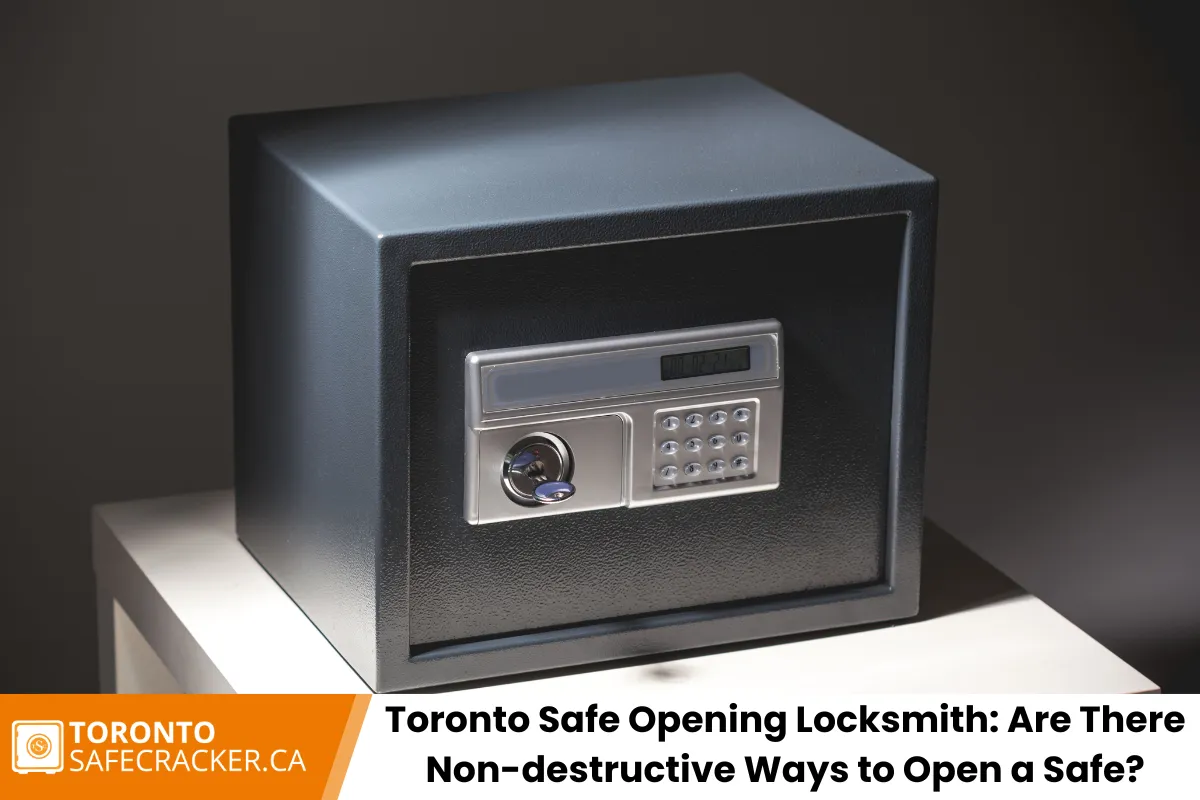
Quick, Damage-Free Safe Unlocking in Toronto: Discover Your Options
Toronto safe opening locksmith services are in high demand for a simple reason: many people in Toronto and the surrounding areas suddenly find themselves locked out of their safe, worried about lost keys, forgotten combinations, or an electronic lock that just won’t budge.
Being locked out is frustrating, and trying to force the safe open can cause even bigger headaches—ruined valuables, expensive repairs, and lost warranties. But there’s good news: skilled safe locksmiths use advanced, non-destructive entry methods to unlock most safes quickly and without any damage.
If you need safe opening services in Toronto, you don’t have to break your safe or risk losing its integrity. A professional locksmith can provide a fast, secure, and cost-effective solution—so you get back in your safe and back to your day.
The Value of Non-destructive Safe Opening
When you’re locked out of a safe—whether it’s a home safe, gun safe, fireproof safe, or high-security model—you want a solution that keeps your safe working and your valuables protected. That’s why non-destructive entry is so important. Instead of drilling, sawing, or forcing the safe open (which destroys its security features and can cost hundreds in repairs), a non-destructive safe opening locksmith uses advanced techniques and custom-designed tools to unlock your safe, keeping the lock and safe’s structure unharmed.
Non-destructive entry methods are possible for many modern safe brands and models, including combination safes, electronic safes, digital locks, biometric safes, and even antique combination safes. This approach preserves the safe’s integrity, maintains the manufacturer’s warranty, and often allows for a much faster, more affordable unlock.
Understanding Non-destructive Entry Methods: How Locksmiths Open Safes Without Damage

Professional safe locksmiths use a range of non-destructive entry methods, choosing the best technique after a careful initial assessment of the safe’s make, model, and lock type. Some of the most common non-destructive methods include:
1. Lock Manipulation
Lock manipulation is a skilled technique, especially used on combination locks and mechanical safe systems. The locksmith listens and feels for changes inside the lock’s tumblers and bolt work, using dial manipulation and diagnostic manipulation to “crack” the safe’s code. This method doesn’t harm the safe and can open most mechanical dials, combination dials, and antique combination safes.
2. Lock Picking and Lock Decoding
Some safes, especially key-operated safes and those with simple mechanical lock cylinders, can be picked open using lock picks, bump keys, or lock decoding tools. This method is effective for key-based lock mechanisms and is completely damage-free when done by a skilled safe technician.
3. Electronic Lock Bypassing and Digital Lock Troubleshooting
For electronic safe locks, digital keypads, and smart lock systems, locksmiths may use electronic lock bypassing, override codes, reprogramming methods, and digital code troubleshooting to gain access. If there’s a keypad failure, electronic models can often be opened by resetting the lock or by using manufacturer-recommended parts to repair the internal circuit boards. Locksmiths also work with biometric digital locks and advanced access control systems, handling everything from biometric scanners to dual-lock systems.
4. Scoped Entry and Video Camera Scope
If the lock mechanism is jammed or the safe is a high-security model (like TL rated safe or fire-rated safes), locksmiths may use scoped entry—guiding a tiny camera inside the lock mechanism to view and manipulate the lock directly. This technique avoids drilling and allows for precise, non-destructive safe opening.
5. Key Programming and Rekeying Safe Locks
If you’ve lost your safe keys or the key is broken, a locksmith may use key programming, key replacements, or rekeying locks to regain access. Rekeying safe locks is often possible for many residential safes, commercial safes, and security safes, depending on the lock system and manufacturer.
When Is Drilling or Destructive Entry Required?
While non-destructive safe opening is the preferred method, there are situations where a locksmith may need to use drill bits or safe drill points. Destructive entry might be required if:
- The lock is severely damaged from a previous failed attempt.
- The safe’s security features, like relocking devices or UL burglary protection, are triggered.
- Electronic models have circuit board failure beyond repair.
- The internal network of the safe is compromised by a technical fault.
- Fire safes and burglary-resistant safes have complex mechanisms or time delays that cannot be bypassed.
In these rare cases, a full-service locksmith will use scoped drill points to minimize damage and will perform safe repair services or safe lock upgrades after opening. They can replace damaged lock systems and restore your safe’s security features, using manufacturer-recommended parts for fireproof safes, gun safes, and high-security safes.
Why Toronto Residents Trust Local Safe Opening Locksmiths
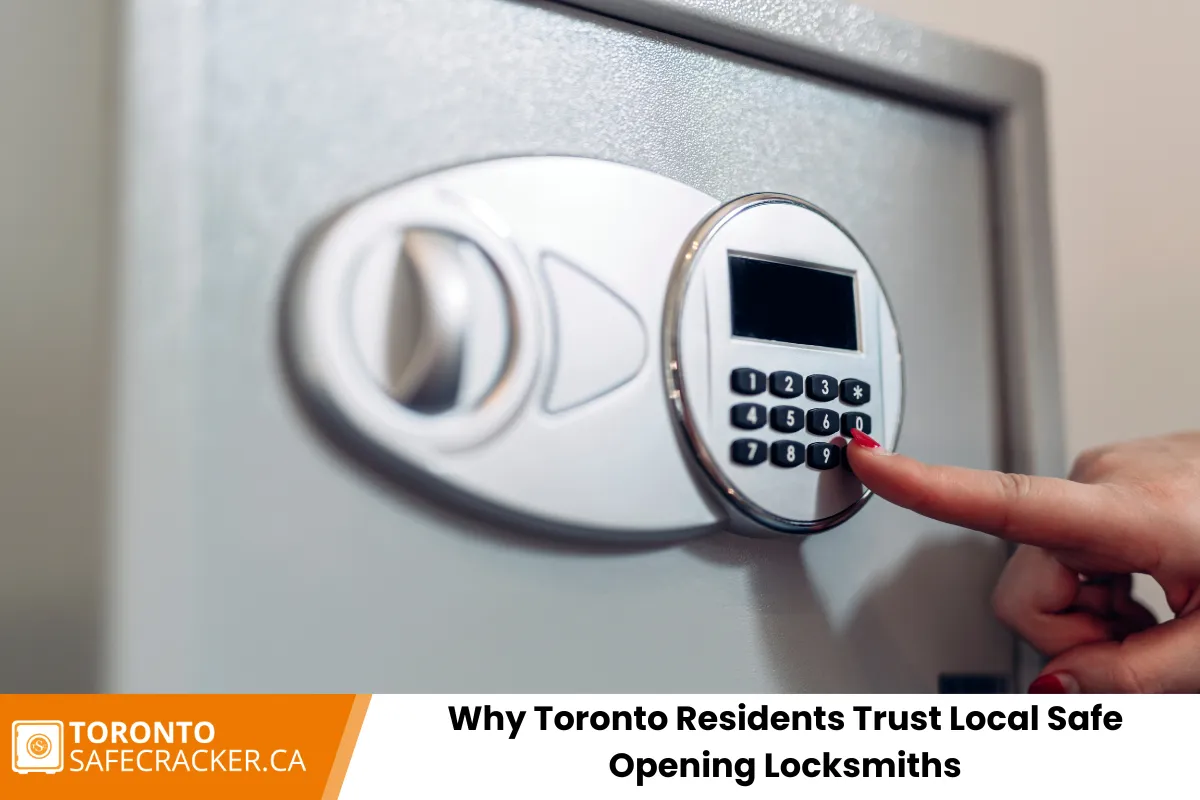
Choosing a Toronto safe opening locksmith ensures you’re getting help from someone who knows local security needs and is familiar with Canadian made safes, safe brands, and the most common residential and commercial safes in the GTA. Local locksmiths offer:
- Emergency safe locksmith services with quick response time
- Bilingual customer service for diverse communities
- Mobile safe locksmith services for on-site unlocks, safe moving, and safe installation
- Advanced technology and technical expertise for all safe types
- Verified, licensed, and insured teams for peace of mind
- Professional lock inspection, verification of ownership, and customer satisfaction guarantees
Whether you need emergency locksmith service in the middle of the night or scheduled safe services, local locksmiths provide safe unlocking, lock repair, door repairs, key duplication, and even security system installations.
What to Expect When You Call for Safe Opening Services
If you find yourself locked out, here’s what the safe opening process usually looks like:
- Initial Assessment: The locksmith asks questions about your safe (brand, model, type, any known problems) and may request verification of ownership for security reasons.
- Lock Inspection: On-site, the locksmith examines the safe, checking for signs of mechanical failure, keypad failure, jammed locks, or overstuffed safe doors.
- Choosing the Best Method: Based on the safe’s lock system—mechanical dial, electronic safe lock, biometric system, or dual-lock system—the locksmith chooses the safest and quickest non-destructive entry method.
- Non-destructive Entry: Techniques like dial manipulation, lock picking, scoped entry, or digital lock troubleshooting are attempted first.
- Unlock and Repairs: Once the safe is open, the locksmith can provide safe repair, combination changes, rekeying, or even smart lock installation for future convenience.
- Advice and Support: You’ll get advice on safe recoding, key storage, and routine maintenance to avoid future lockouts.
A trusted locksmith team will provide a clear locksmith quote before starting work, explain all costs, and ensure you’re satisfied with the results.
Read Toronto Safe Opening Locksmith: Can a Locksmith Bypass Electronic Safe Locks?
Tips to Prevent Safe Lockouts in the Future

While emergencies happen, there are steps you can take to reduce your chances of a safe lockout:
- Store spare keys or combinations in a secure, separate location.
- Schedule regular lock inspections and safe repair services to catch issues early.
- Use digital locks with backup override codes and regularly update them.
- Don’t overstuff your safe, which can cause door and bolt work problems.
- For electronic models, replace batteries on schedule and avoid keypad failure.
- Upgrade older lock systems to electronic access control or biometric digital locks for better reliability and security features.
- Register your safe with the manufacturer for access to override codes, reprogramming methods, and lock cylinder support.
If you do experience a safe lockout, avoid DIY solutions that can worsen the problem. Professional locksmiths have the technical expertise, advanced techniques, and custom-designed tools to safely and efficiently unlock your safe.
Protecting Valuables and Maintaining Safe Security: Your Next Steps
Being locked out of a safe doesn’t have to mean disaster. Toronto’s safe opening locksmiths specialize in non-destructive entry methods for all kinds of safes, from security safes to fire safes, commercial safes, jewelry and document safes, and even antique combination safes. With cost-effective solutions, rapid response time, and a focus on customer experience, these experts help you unlock your safe and restore your peace of mind.
If you’re searching for a safe opening locksmith service in Toronto, always look for:
- Verified, licensed, and insured professionals
- Clear customer service policies
- Experience with your safe’s make and model
- Ability to provide safe unlocking, safe repair, safe recoding, and security system upgrades
Never settle for a locksmith who wants to drill first—ask about non-destructive entry methods, and trust your local experts to get you back into your safe quickly and safely.
Toronto Safe Opening Locksmith - Toronto Safecracker
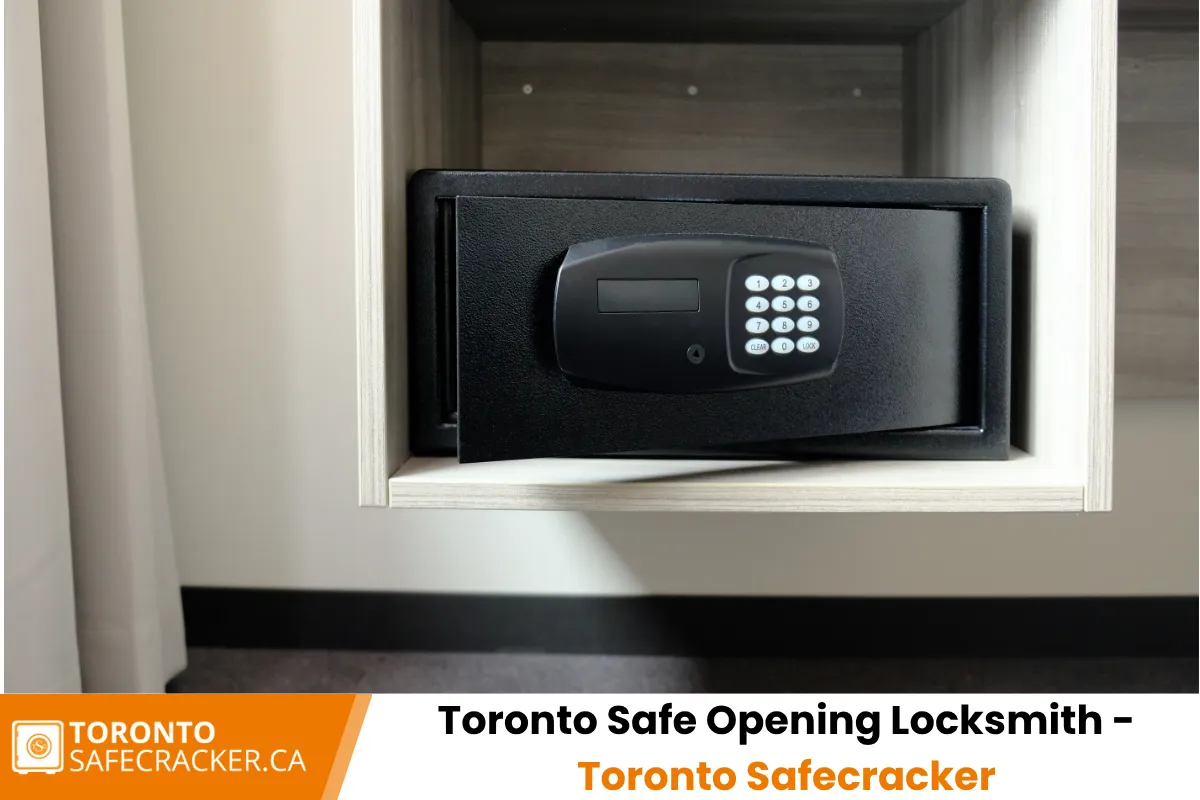
Locked out of your safe? Toronto Safecracker is your trusted Toronto safe opening locksmith, providing fast, damage-free solutions across Toronto and surrounding areas. Our expert team specializes in non-destructive safe opening, using advanced techniques and tools to unlock all types of safes—combination, electronic, gun, and high-security models. We handle everything from jammed doors to electronic lock failures, always prioritizing your safe’s integrity and your peace of mind. With 24/7 emergency service, clear pricing, and certified technicians, you can count on us for safe unlocking, repairs, and upgrades. Don’t risk your valuables—call Toronto Safecracker at (647) 749-6040 for immediate, professional help from a local safe locksmith you can trust.
Frequently Asked Questions
1. Can a locksmith open any safe, including digital or biometric models?
Most professional locksmiths can open almost any safe, including digital locks, electronic safes, and biometric safes. Their training covers all major safe brands, including high-security safes, TL rated safe, fire-rated safes, and modern electronic models with fingerprint or facial recognition. For digital and biometric locks, locksmiths use specialized electronic lock bypassing tools and reprogramming methods. Some extremely advanced security safes may require manufacturer support, but for the vast majority of residential safes, gun safes, and commercial safes, a skilled safe locksmith can unlock the safe and restore access, often without causing damage.
2. How does a locksmith verify I own the safe before unlocking it?
Before starting any safe unlocking service, locksmiths always require verification of ownership for your security. This may involve showing a receipt, warranty paperwork, proof of purchase, or any official documentation linking you to the safe. For commercial safes, business credentials may be needed. If you don’t have paperwork, locksmiths might ask for personal ID and ask detailed questions about the contents of the safe. This process protects you and ensures only authorized individuals receive safe opening services. Without proper verification, no ethical locksmith will unlock a safe.
3. What should I do if my safe’s electronic keypad or digital lock stops working?
If your safe’s keypad fails or your digital lock won’t respond, first check the batteries and replace them if needed. If that doesn’t fix it, avoid forcing the lock or using DIY tools, as this can cause further damage. Contact a safe technician or safe locksmith who specializes in electronic locks and digital safes. They’ll use diagnostic manipulation, digital lock troubleshooting, and advanced technology to repair the keypad or bypass the malfunction, often without drilling or damaging your safe. Regular maintenance and battery checks can prevent most digital lock issues.
4. Is emergency locksmith service available for safe lockouts after hours or weekends?
Yes, most Toronto locksmiths provide emergency safe locksmith services 24/7, including weekends and holidays. Mobile safe locksmith services are available for quick response to lockouts, jammed safes, lost safe keys, or other emergencies. These teams can handle urgent safe unlocking, repair services, lock system issues, and even safe moving, ensuring your valuables are protected no matter when the problem happens. It’s always a good idea to save the number of a trusted locksmith team in your phone for quick access during an emergency.
5. Can a locksmith help upgrade my safe with advanced security features?
Absolutely. In addition to unlocking safes, many full-service locksmiths in Toronto offer safe lock upgrades, smart lock installation, access control systems, and master key systems for both home and commercial use. Whether you need biometric scanners, high-security locks, or integrated electronic access control, a safe locksmith can recommend and install the best solutions for your security needs. They use manufacturer-recommended parts and provide cost-effective solutions for upgrading keypads, adding biometric systems, or integrating safes with your home or office security system, boosting your overall protection.
If you have questions or need a fast, damage-free safe unlock, reach out to a Toronto safe opening locksmith for expert service, quick solutions, and total peace of mind.